
CellularIoT
Cellular-connected devices that report reliably from paddock to platform.
Cellular IoT clients we've worked with




Cellular IoT projects we've delivered
Connected devices deployed across New Zealand and beyond.
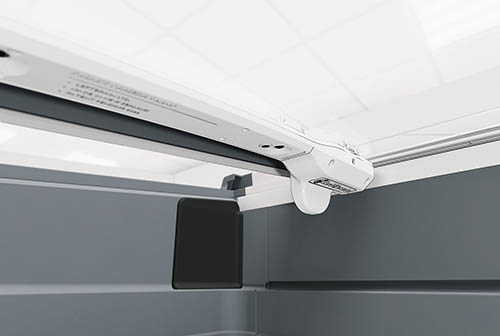
Cellular Connected Smart Freezer
An AI-powered freezer that uses onboard cameras and cellular connectivity to remotely track stock levels and monitor performance in real time.
Tyre Inflation System
Central Tyre Inflation System (CTIS) for Bigfoot, letting drivers adjust tyre pressure on the go to optimise traction, fuel efficiency, and safety across varying terrain.
Need a connected device
designed?
Delivered by New Zealand's leading electronic product design team.
I need a connected deviceWhat we build
From low-power NB-IoT sensors to 5G edge devices. Cellular connectivity designed for reliable, wide-area deployment.
LTE Cat-M1 & NB-IoT
Low-power wide-area cellular for IoT sensors and trackers. Optimised for battery life, deep indoor coverage, and low data-rate applications.
4G LTE & 5G
High-bandwidth cellular connectivity for video, real-time data, and edge computing. Module integration, antenna design, and carrier certification.
Cloud Platform Integration
AWS IoT Core, Azure IoT Hub, and custom platforms. MQTT/CoAP protocols, device shadows, and secure data pipelines.
SIM & Connectivity Management
eSIM provisioning, multi-network SIM, and connectivity management platforms. Automatic carrier selection and roaming strategies.
OTA Firmware Updates
Secure over-the-air firmware updates over cellular. Delta updates, rollback protection, and fleet management.
Power Management
PSM and eDRX power-saving modes for multi-year battery life. Solar, battery, and mains-powered designs with intelligent duty cycling.
GPS & Asset Tracking
Cellular + GNSS for real-time asset tracking. Geofencing, trip logging, and location-based alerting with cloud dashboards.
Carrier Certification
Carrier approval for Spark, One NZ, and international networks. Pre-compliance testing, PTCRB, and GCF certification support.
Satellite Fallback
Hybrid cellular/satellite connectivity for areas beyond cellular coverage. Automatic fallback and store-and-forward messaging.
Cellular IoT questions
Common questions about cost, timelines, network choice, modules, and battery life for cellular IoT product development.
How much does a cellular IoT project cost?
Cellular IoT project costs come down to the specific product requirements. The big variables are the application's data needs, power budget, antenna and RF design, and whether a backend platform or companion app is in scope. A focused engagement, like integrating a pre-certified module with straightforward firmware, lands in the five-figure range. Most custom cellular IoT projects that must be robust, possibly last years on a battery, and be manufactured in volume sit in the six-figure investment range. Applications with stricter compliance requirements or other demanding constraints can push investment even higher. For example, projects that cover multi-region rollout, ultra-low-power design for years of battery life, and backend platforms or fleet management. Let's start with a conversation about your use case. Get in touch.
How long does a cellular IoT product take from concept to production?
Cellular IoT timelines depend on how far you want to take your concept and what the device actually needs to do. A proof of concept built around a development kit and pre-certified modules can come together in a handful of months. A custom cellular IoT product taken through to production runs 9 to 15 months. Projects with more custom design can add months on top. Talk to us early. The right choices at the start can save months later.
Should I use NB-IoT, LTE-M (Cat-M1), 4G LTE, or 5G for my IoT product?
The right technology depends on data rate, mobility, battery life, and coverage. NB-IoT suits fixed, low-data sensors (under 10 kbps, with higher latency depending on reception) with multi-year battery life and deep indoor penetration, such as utility meters and environmental monitors. LTE-M (Cat-M1) supports up to ~1 Mbps with mobility and voice, which is ideal for asset trackers and wearables. 4G LTE Cat-1 or Cat-4 handles higher-bandwidth applications like video upload or real-time control. 5G (including RedCap) is used when sub-20 ms latency or tens of Mbps throughput are required. In New Zealand, Spark and One NZ both support LTE-M and NB-IoT nationally, which is why we default to those for most battery-powered IoT builds.
What cellular modules do you design with?
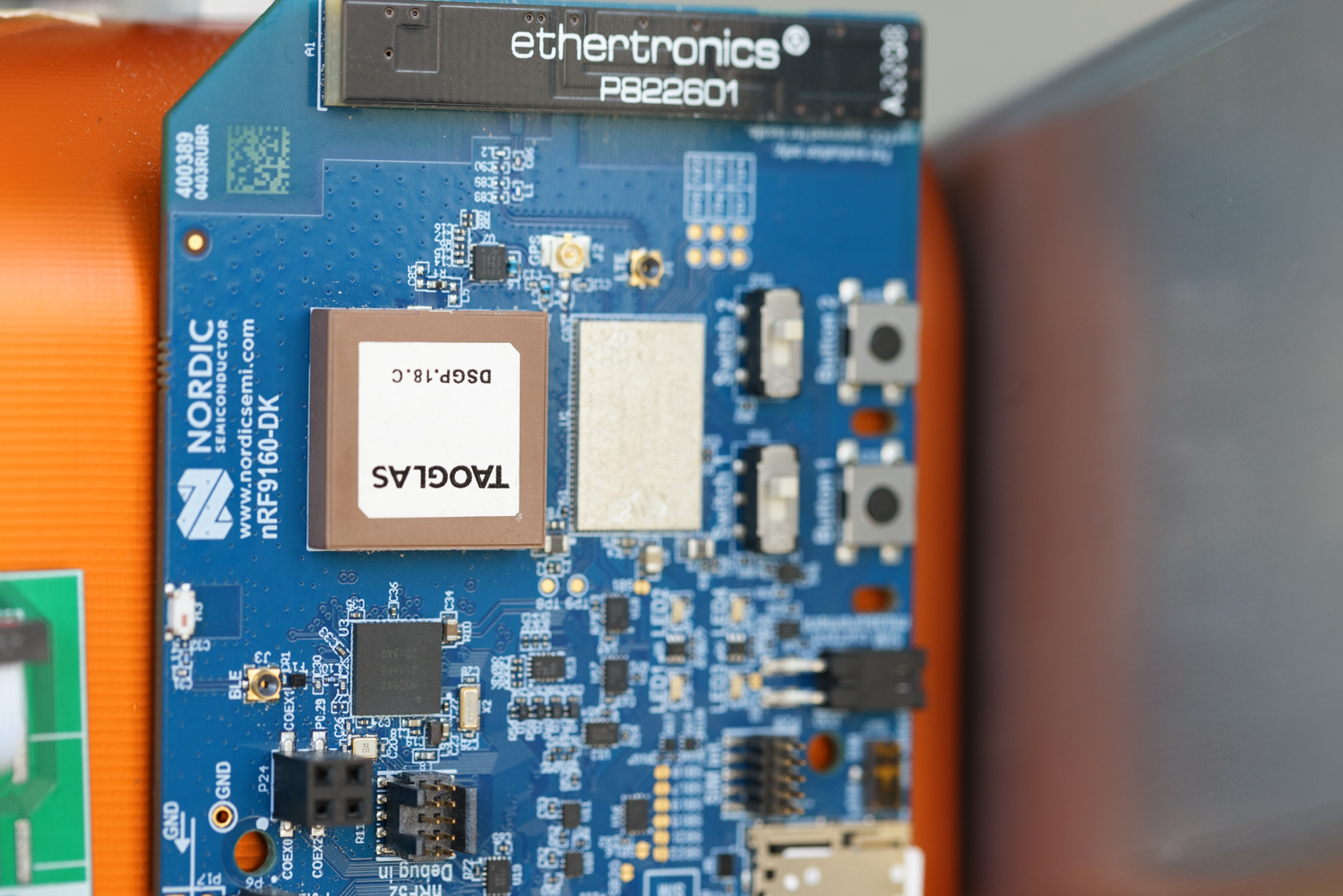
For cellular, we've worked with many types of modules, including u-blox, Telit, and Nordic. Typically, we now tend to work with Nordic modules as they suit the low-power, battery-driven products we usually build. We can work with other major IoT module vendors when a project requires. Module selection comes down to what the device needs to do, where it's deployed, the power budget, and how long it needs to be supported. For fleets that roam across regions, we implement multi-IMSI and eSIM solutions.
How do you achieve multi-year battery life on a cellular IoT device?
Of course, you can always add a bigger battery. There are also a few other intelligent ways to achieve multi-year battery life on a cellular device. On the hardware side, implementing good design practices to reduce total current draw will stretch battery life on the same cell. The other big lever is how often the device checks in. A device that sleeps most of the time and only sends data periodically lasts much longer than one that's always connected. The right interval depends on the application. There's always a trade-off between battery life and update frequency.
“Beta Solutions showed the ability to both identify future problems and to pro-actively provide alternative resolutions... their project management skills and communications were appropriate and effective at all times.”Bruce BartleySpidertracks
Want us to handle the whole product?
Cellular IoT is just one piece. If you don't want the headache of managing hardware, firmware, mechanical, and manufacturing separately, we handle the entire product development under one roof.
Other ways we can help
Cellular IoT is just one part of what we do. Explore our other services.
PCB Design
High-speed digital, RF, power electronics, and mixed-signal. Custom boards from schematic to production-ready files.
Firmware/Software Design
Bare-metal and RTOS firmware. We write the code that runs on the boards we design.
Volume Manufacturing
From 100 to 100,000 units. We handle the factory, logistics, and QA so you don't have to.