
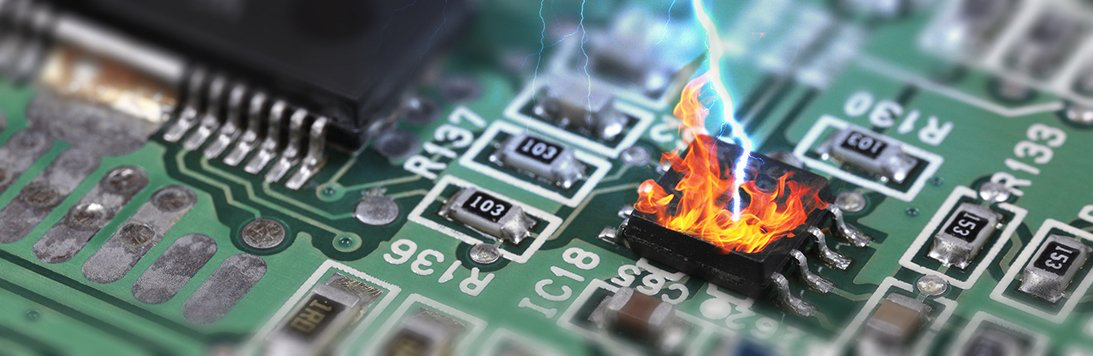
Electronics face risks from transient electromagnetic events including lightning surges, electrostatic discharge (ESD), and electrical fast transients (EFT). These events can enter through ports or user contact points, potentially damaging or destroying devices. Affected equipment may stop working entirely or behave erratically.
A device's robustness to transients is measured by its Electromagnetic Compatibility (EMC). Most markets legally require EMC testing before product sales. Addressing EMC considerations early in design prevents costly late-stage redesigns and retesting.
How Lightning Damages Electronic Devices
Direct Strikes
Direct lightning strikes nearly vaporize everything in their path. Practical protection against direct strikes is extremely limited.
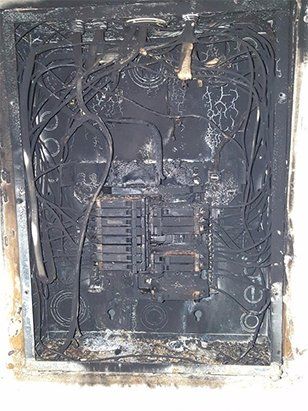
Figure 1: A household electrical distribution box which has been destroyed by a direct lightning strike.
Indirect Strikes
Indirect effects from nearby strikes are more common and manageable. Lightning's effective damage radius extends hundreds of meters because a typical strike contains approximately 1 billion joules of energy delivered in milliseconds or microseconds, equivalent to 1 trillion watts of power.
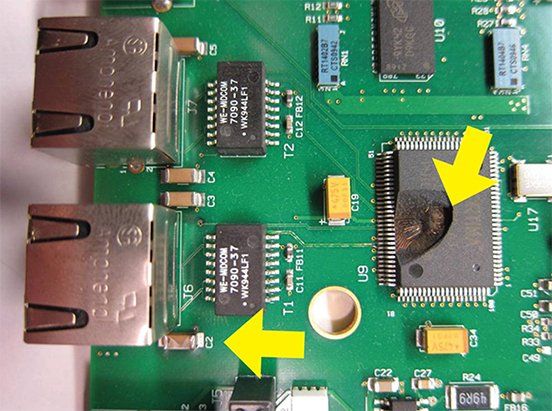
Figure 2: An example of a product which had components partially vaporized by indirect lightning effects.
Energy couples into devices through two mechanisms:
Near-Field and Far-field Electromagnetic Coupling
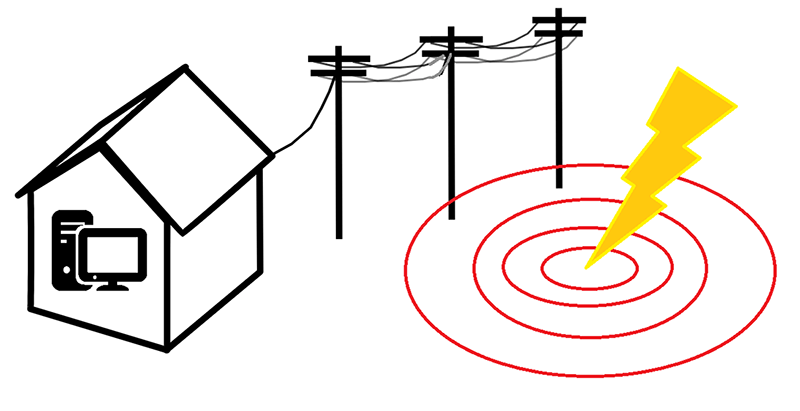
Figure 3: Graphic illustration of electromagnetic pulses propagating outwards from a lightning strike.
Lightning produces electromagnetic pulses (EMPs) propagating at light speed. These induce significant currents (hundreds to thousands of amps) in nearby conductors like power lines or communication cables. Two factors determine energy transfer:
- Proximity to the strike (intensity follows inverse square law)
- Cable run length (runs exceeding 10 meters are generally susceptible)
Buildings provide minimal EMP protection; cable runs are nearly as vulnerable indoors as outdoors.
Ground Potential Gradient Coupling
Soil acts as a giant resistor. Lightning current traveling through earth creates voltage potentials, potentially tens of thousands of volts, between nearby points. Systems with multiple earth connections at different locations become susceptible.
A common example: ethernet cables spanning university campus buildings. Each building has its own ground rod. During nearby lightning strikes, buildings may be at vastly different potentials, stressing the isolation of equipment at cable endpoints.
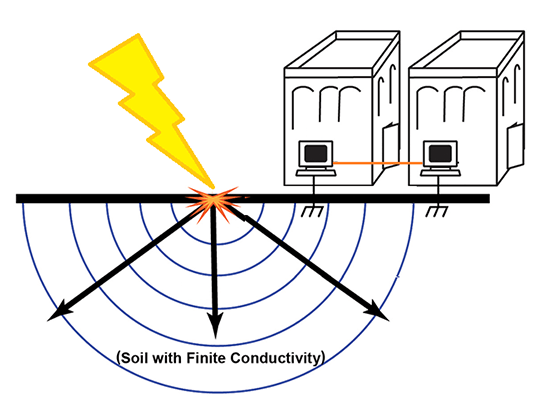
Figure 4: Graphic illustration of ground potential gradient coupling.
Ways Electronic Products Can Be Designed to Be Robust to Transients
Transient Voltage Suppression (TVS) Components
TVS Diode. Protects high-speed data lines with low capacitance and nanosecond reaction times.

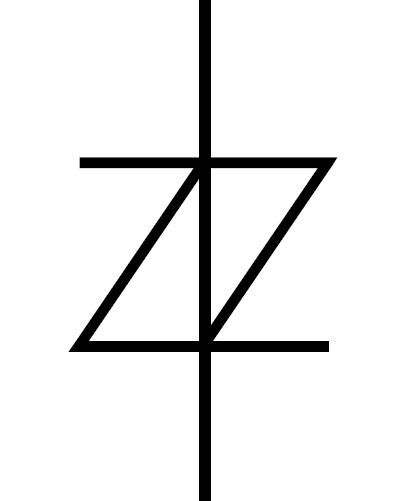
Zener Diode. Low-cost options maintaining stable reverse-biased voltage.

Metal Oxide Varistor (MOV). Absorbs high-energy transients with ~1nS operation but higher capacitance.

Crowbar Components
Gas Discharge Tube (GDT). Sealed devices conducting current after high-voltage ionization. Rated to shunt thousands of amps but slower (~1µS engagement), making them less effective against ESD.

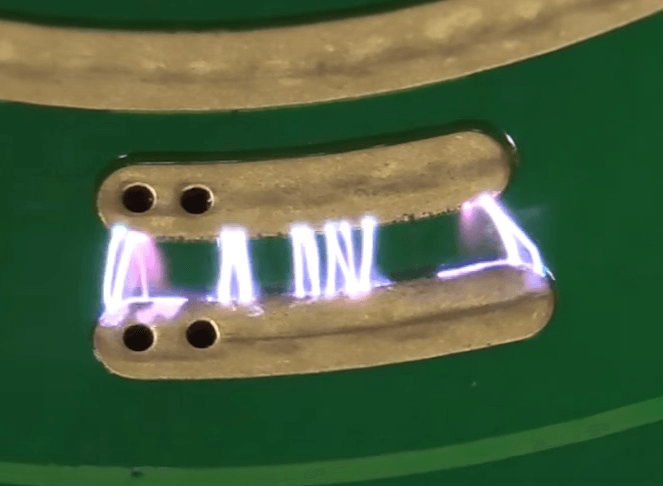
PCB Spark Gap. Zero-cost transient diversion designed into the PCB itself using copper traces separated by small gaps. Performance lacks control and degrades over time.
Thyristor. Crowbar-type devices triggering into low-impedance states at voltage thresholds, resetting when transient current subsides.
Protection by Galvanic Isolation
This creates an "air-gap" preventing transient surges from conducting to or from earth. Electricity cannot directly jump gaps without significant potential.
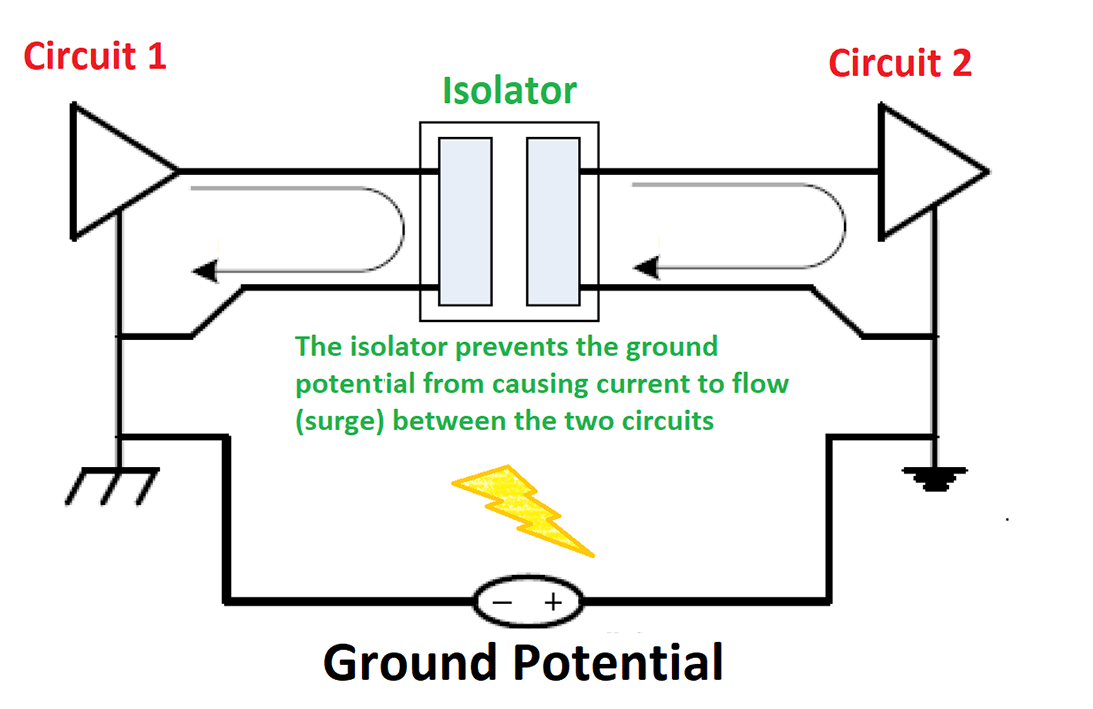
Figure 5: Graphic illustration of an isolation component preventing current from flowing during a ground potential transient.
Transformer. Converts power or data to magnetic flux through isolation, then back to electricity.

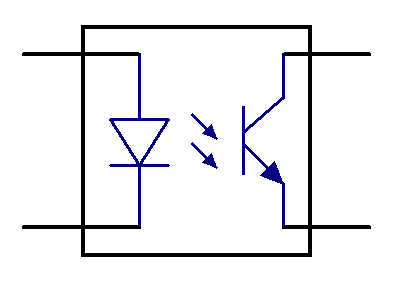
Optocoupler. Converts data to photons via LED, then back to electrical signals via transistor.
Other Transient Protection Devices
Transient Blocking Unit (TBU). Blocks transients using current disconnection rather than shunting. Triggered by high currents, limiting device current, often paired with surge-diverting components.

Example: RS485 Communication Bus Protection
A practical implementation uses three protection components:
- Gas Discharge Tube. Diverts <5kA induced surge currents; requires 150V trigger.
- Transient Blocking Unit. Triggers GDT by limiting current to 100mA within ~1µS, handling up to 650V.
- TVS Diodes. Suppresses nanosecond transients (ESD/EFT), diverts TBU-passed current to ground.
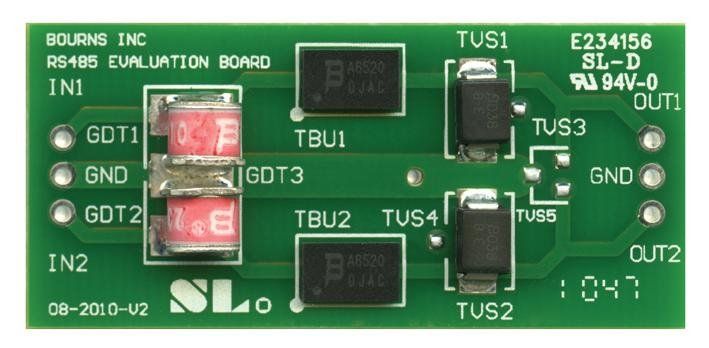
Figure 6: Image of RS485 protection components on a Bourns development board.
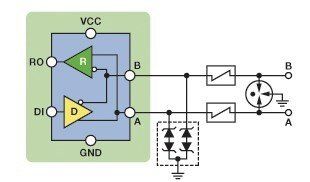
Figure 7: Symbolic representation of the above PCB design.
These components work synergistically to create robust protection against nearly any transient event.
Conclusion
Understanding how transients generate and damage designs is fundamental to protecting products. Lightning strikes damage devices without direct contact, with effective radius extending hundreds of meters. Conventional, proven methods exist for protecting circuits from these events through proper component selection and design methodology.