

Introduction
"The possibilities of billions of people connected by mobile devices, with unprecedented processing power, storage capacity, and access to knowledge, are unlimited." - Klaus Schwab, Founder and Executive Chairman, World Economic Forum
The world is experiencing rapid technological change that blends physical, digital, and biological domains, a phenomenon known as the Fourth Industrial Revolution.
Historical Context
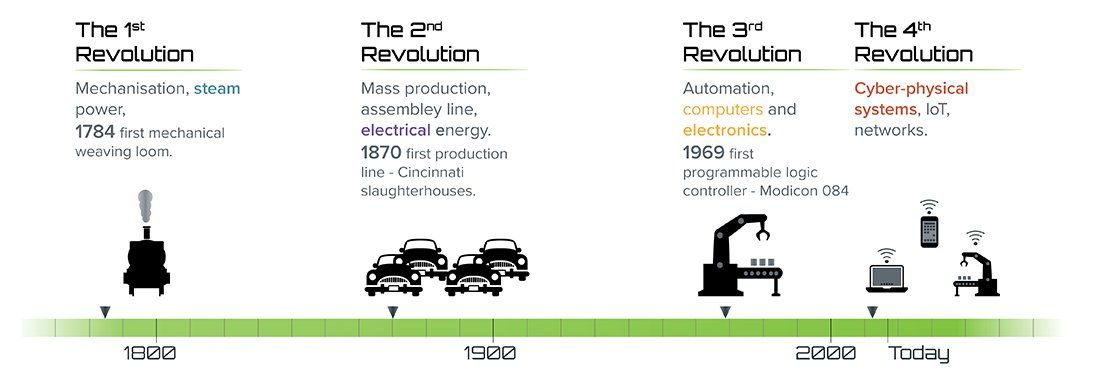
Industrial advancement has evolved through distinct phases, from mechanization through computerization to today's interconnected, intelligent systems.
Current Implications
Society and economic systems are transforming at exponential rates. Technology now permeates virtually all aspects of business and daily life.
Documented Challenges
- Organizations struggling to adapt and innovate quickly enough
- Inadequate regulatory frameworks for emerging technologies
- Growing cybersecurity and personal data vulnerabilities
- Widening skill-based employment inequality as automation displaces routine work while AI demands specialized expertise
Strategic Imperatives for Businesses
New Zealand enterprises must:
- Develop novel solutions addressing existing customer problems
- Leverage global digital infrastructure for faster innovation cycles
- Anticipate shifts in consumer behavior driven by mobile platforms
- Harness data for improved product design and market channels
- Cultivate agile organizational structures and adaptive leadership
- Continuously question business models and invest in workforce development
Real-World Application: The Cacophony Project
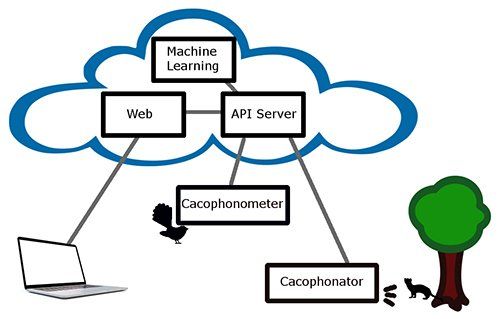
A notable New Zealand initiative demonstrates Industry 4.0 principles through embedded systems, machine learning, and IoT technology to manage invasive predator populations by:
- Using audio and visual attractants
- Deploying thermal imaging for detection
- Applying machine learning for species identification
- Enabling automated elimination
- Measuring ecological recovery through bioacoustic monitoring
Beta Solutions recently partnered with this organization to develop their embedded platform technology.
Conclusion
Organizations should embrace technological advancement as a competitive necessity. "We need to take responsibility at every level of society... to adapt to these technological challenges" that fundamentally reshape work and human experience.