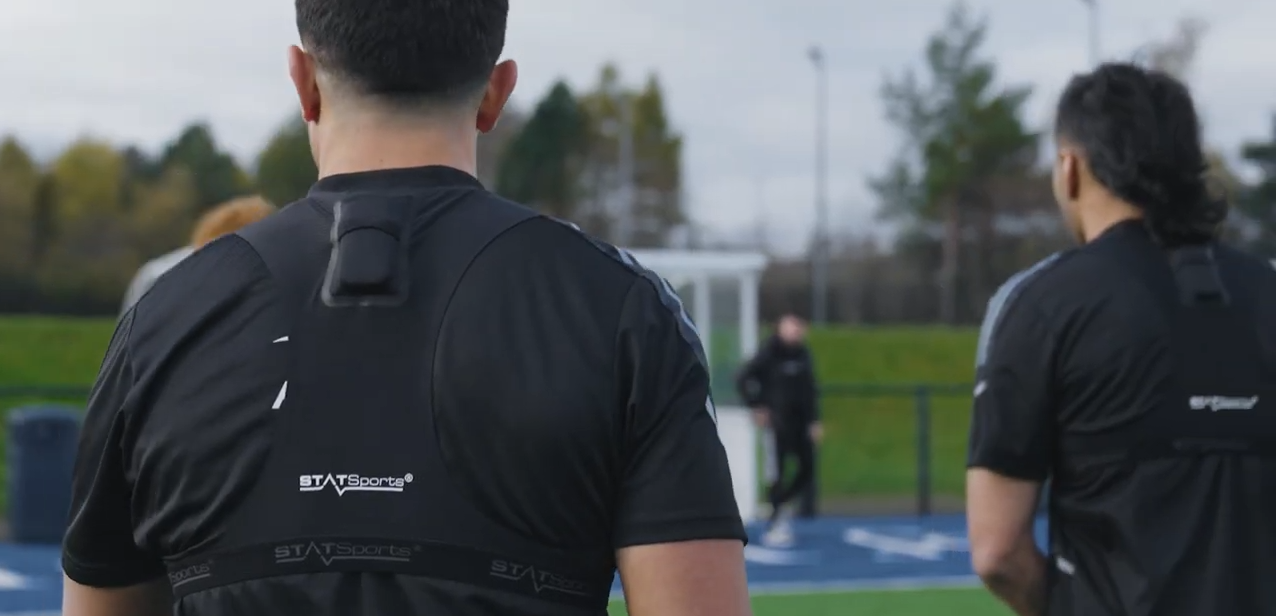
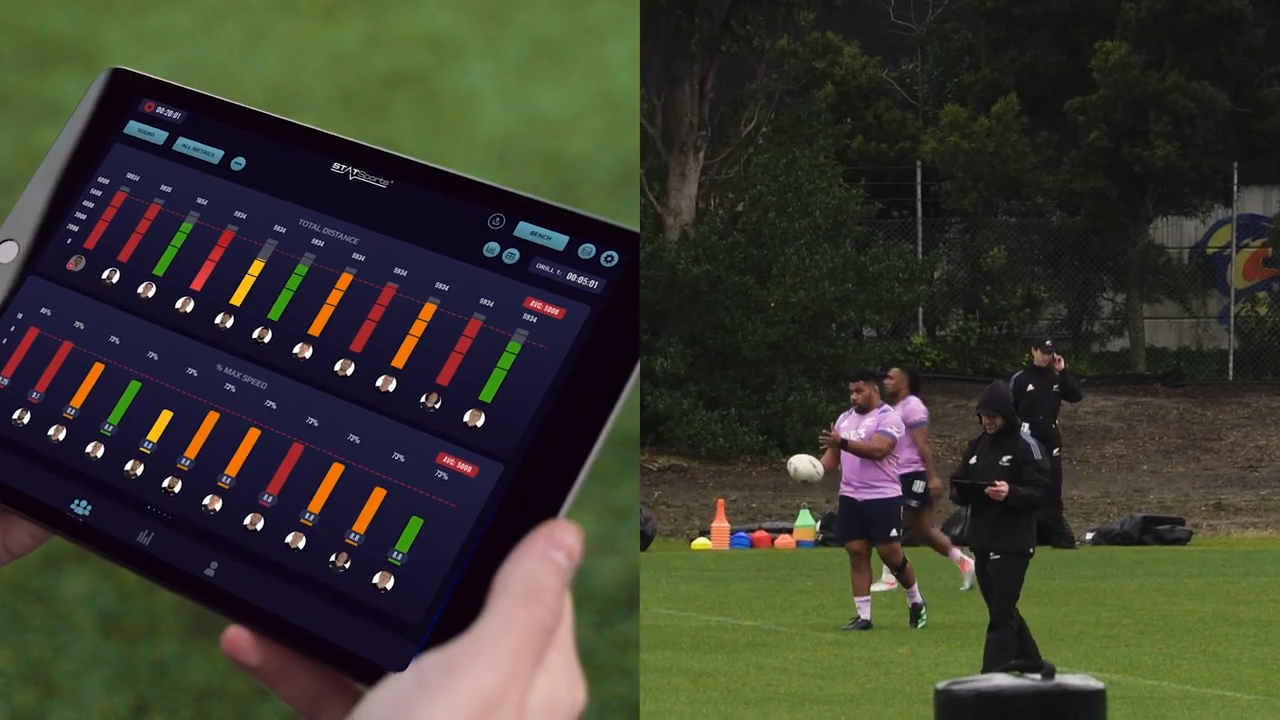
The Rugby World Cup is pushing portable, durable, athlete data measuring wearables into the limelight. This year biometric wearables company STATSports is serving as the go-to team for high-level performance tracking.
Decoding the Tech Behind Rugby World Cup Player Analytics
The Rugby World Cup is highlighting portable, durable athlete data wearables. This year, biometric company STATSports provides player tracking for the All Blacks. This exploration covers the sensors used, safety considerations, power efficiency, robustness, real-time data retrieval, and collected metrics analysis.
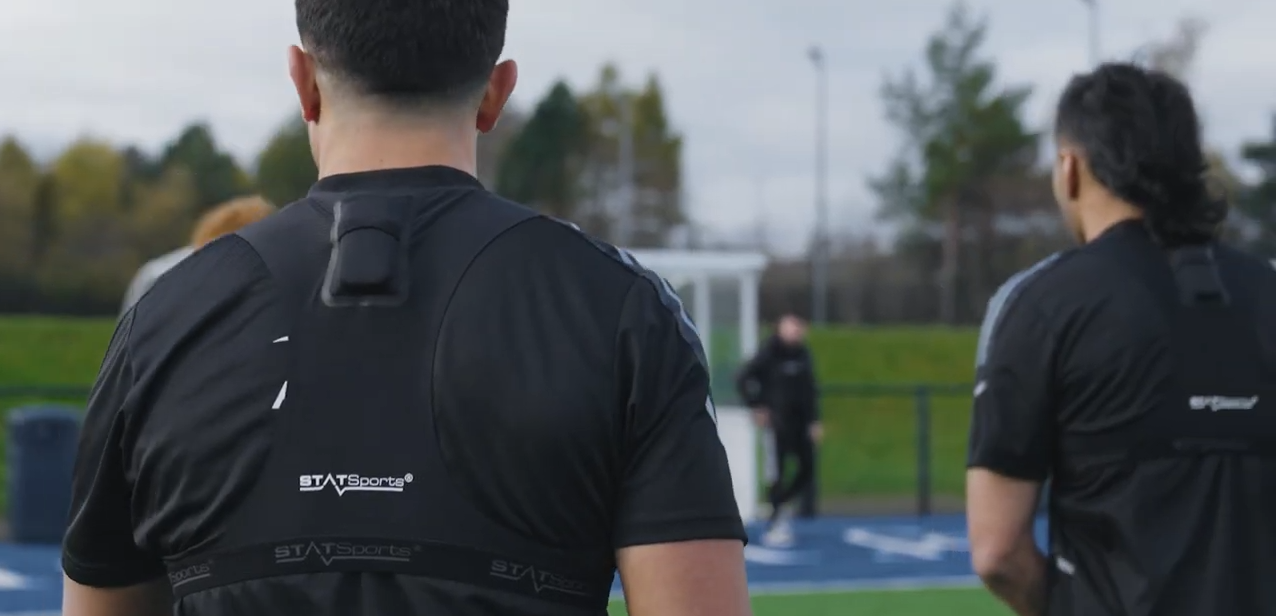
![TATSports wearables attached to two All Blacks [1]](https://lirp.cdn-website.com/3541690e/dms3rep/multi/opt/Copy+of+image-showing-statsports-1920w.png)
The Heart of Sports Tracker: Sensors
Performance tracking wearables use several sensor types:
- GPS units measure player position with 1-5m typical accuracy, with multiple constellations improving precision.

- Accelerometers measure linear acceleration to track sudden speed and direction changes with greater precision than GPS, though positional accuracy degrades over time.

- Gyroscopes detect rotation rates around axes, effectively measuring spins and turns.

- Magnetometers sense magnetic field strength and direction, offering insights in specialized applications.

Trackers may include shock sensors measuring impact force, critical in collision sports like rugby. Sensor fusion algorithms combine data to mitigate individual sensor weaknesses.
The Wearable Factor: Safety, Comfort, and Durability
Ergonomic design is paramount. Devices must remain compact and lightweight without inhibiting movement or creating safety hazards during falls. World Rugby enforces strict size and shape regulations for Rugby World Cup devices.
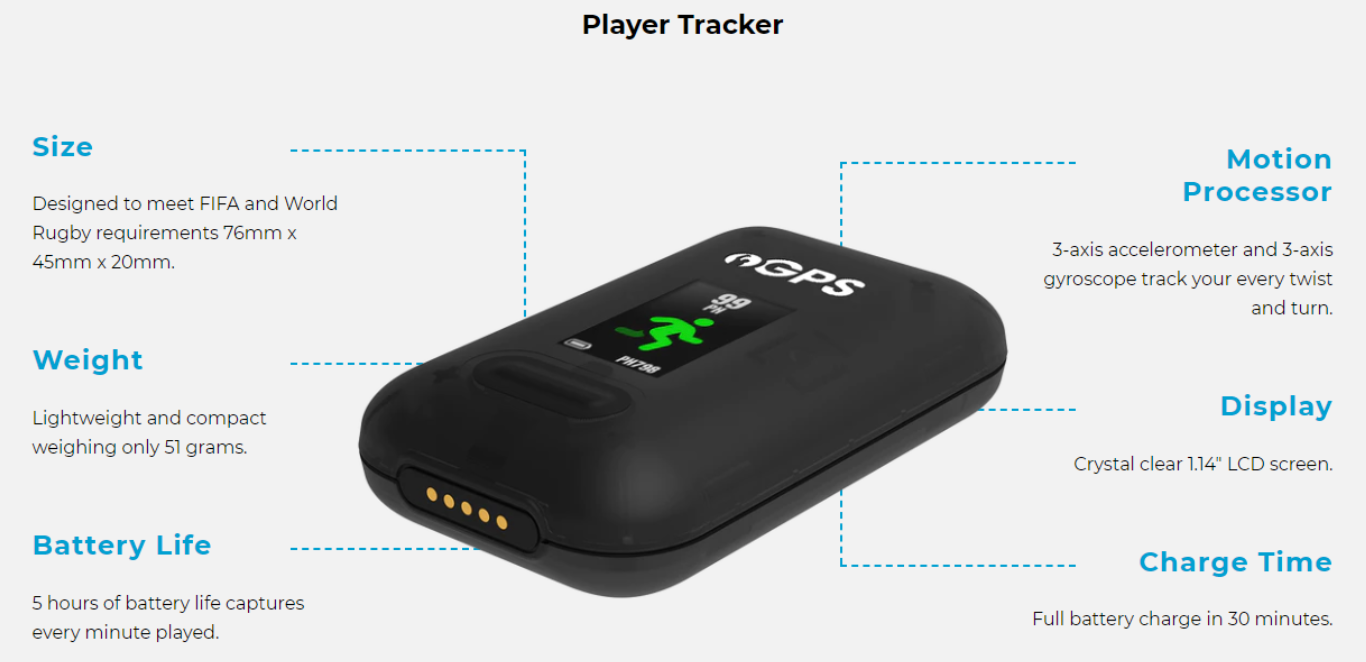
Durability involves ingress protection (IP) ratings ensuring resistance to dust and water exposure during extended wear.

Battery Life: Making Energy Efficiency a Priority
Sports trackers must balance battery longevity with data collection frequency and precision within small, unobtrusive packages. Systems should alert users to low battery levels before data collection interrupts.
Live Data Retrieval: Ensuring Timely Feedback
Real-time decision-making requires wireless communication, such as Bluetooth, cellular, or Wi-Fi, enabling instantaneous device-to-computer communication for on-the-fly strategic adjustments.
What Metrics and How?
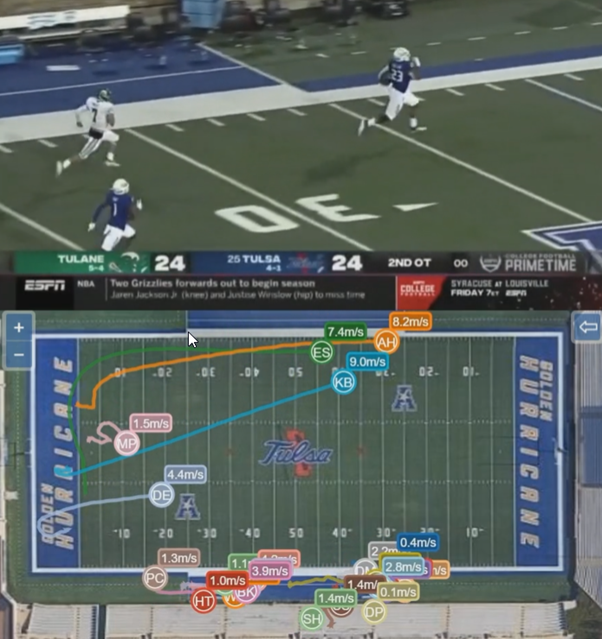
Common tracked metrics include speed, acceleration profiles, distance covered, heart rate, impacts, and skin temperature. Rugby-specific metrics monitor collision force and hyperextension for safety assessment.
Advanced algorithms convert raw sensor data into insights, combining data from multiple sensors to calculate complex metrics like player agility.
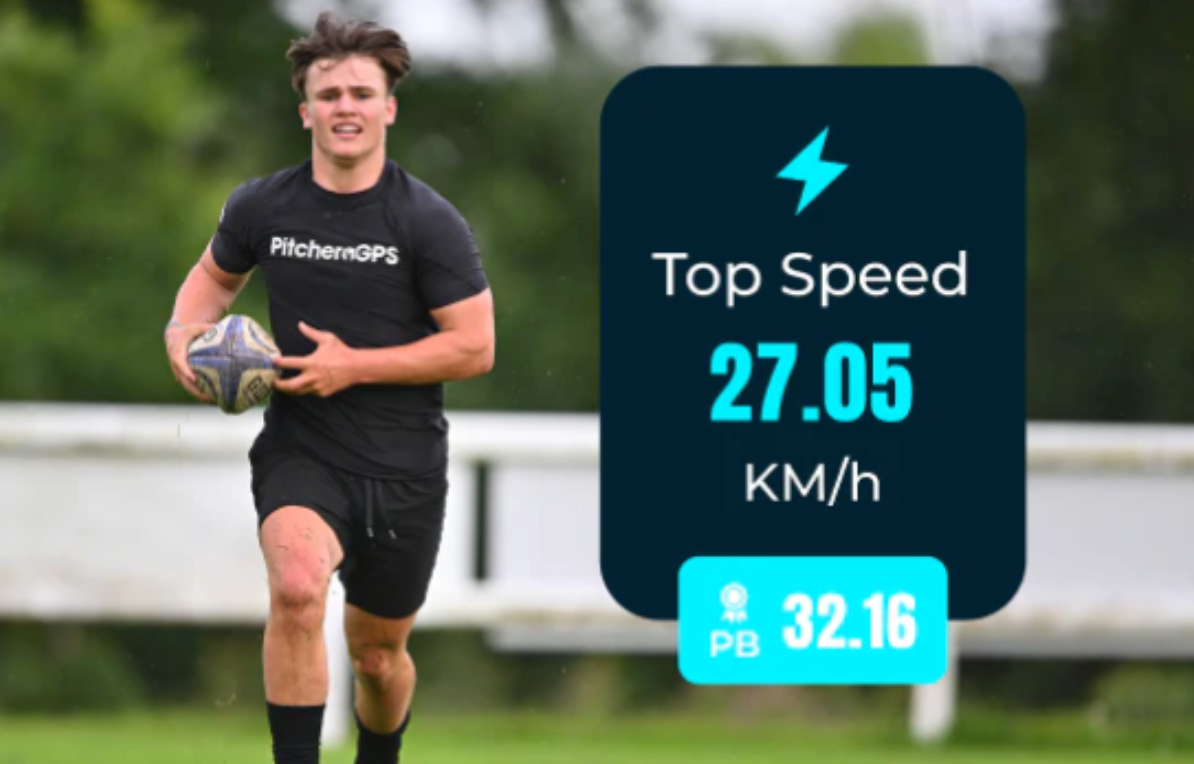
"One of the metrics we look at is high MET, and essentially, what we're trying to understand is the acceleration/deceleration volume, or intensity." – Nic Gill, NZ All Blacks, Head of Strength and Conditioning
Hitting the Finish Line
Sports wearable trackers combine intricate technology, precise implementation, and sport-specific understanding. Applications extend beyond rugby into health monitoring and workplace safety.