1: Timing Is Everything
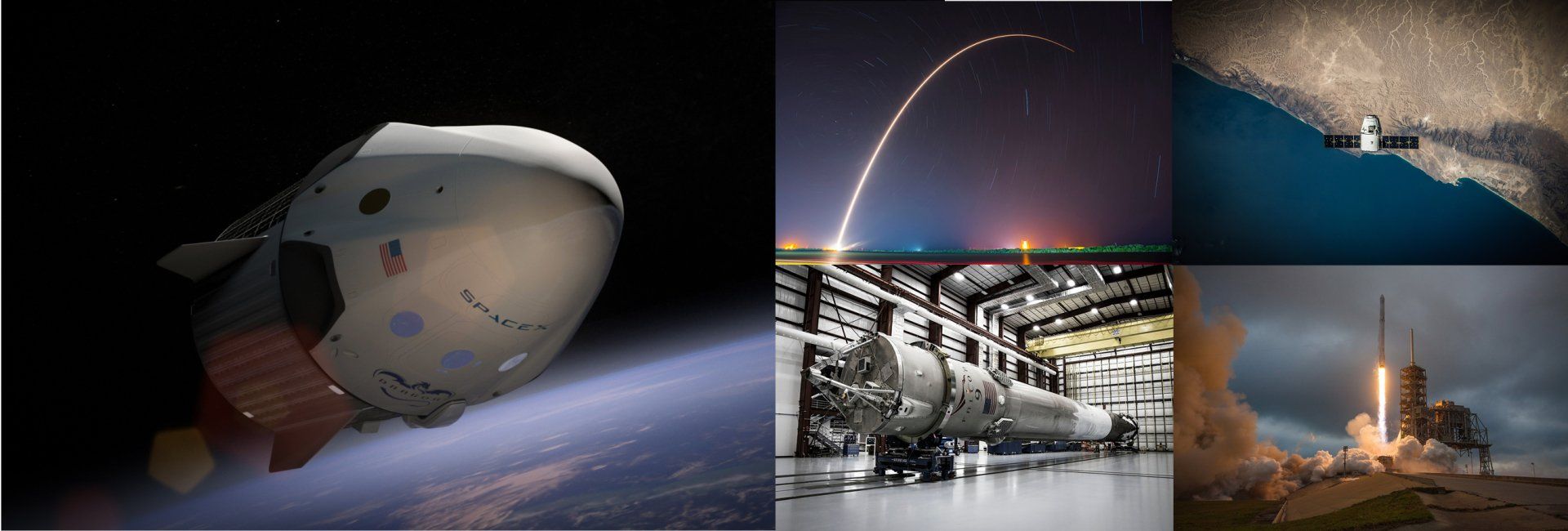
SpaceX emerged at an optimal moment in aerospace history. After decades of government-led space exploration, NASA's budget and development pace had declined significantly since the 1960s. Simultaneously, emerging technologies, composite materials, advanced manufacturing, increased computing power, and optimized propulsion systems, became available.
The U.S. had also lost independent human spaceflight capability after the Space Shuttle retirement in 2011, creating market demand. Elon Musk recognized this convergence and seized the opportunity to build a private, innovative space company free from direct political constraints.
2: Innovation Not Imitation
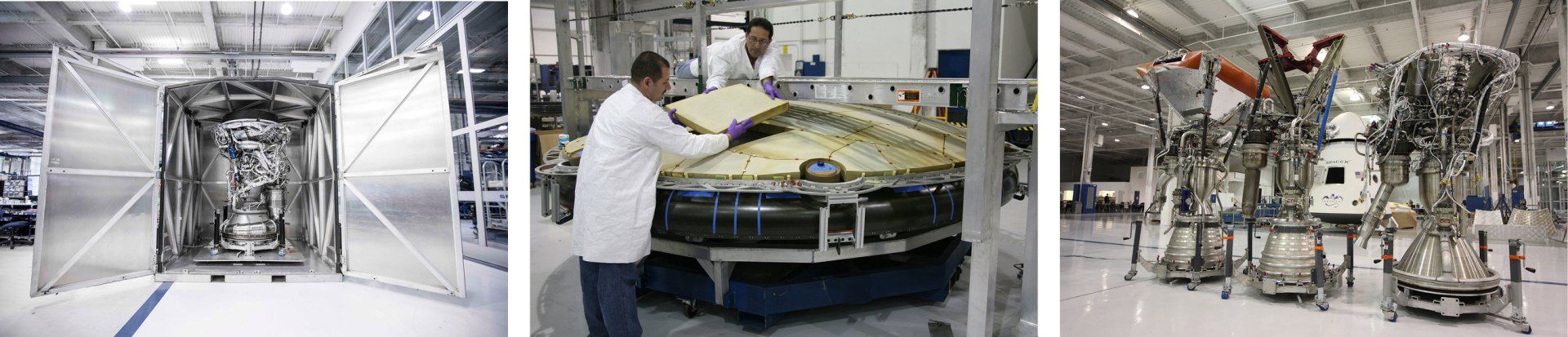
Rather than purchasing existing rockets, Musk decided SpaceX would design and build their own. The company pursued two critical innovations:
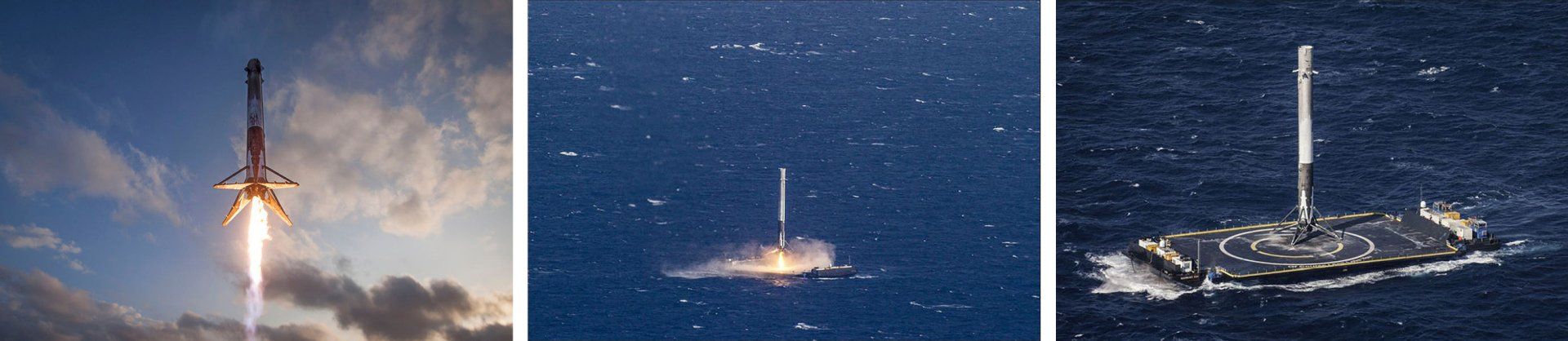
Reusable rockets: Instead of discarding first-stage boosters after use, SpaceX designed them to return for soft landings using precision guidance systems, enabling reuse and dramatically reducing costs.
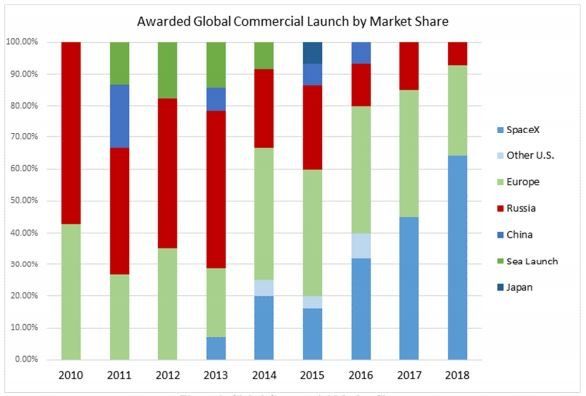
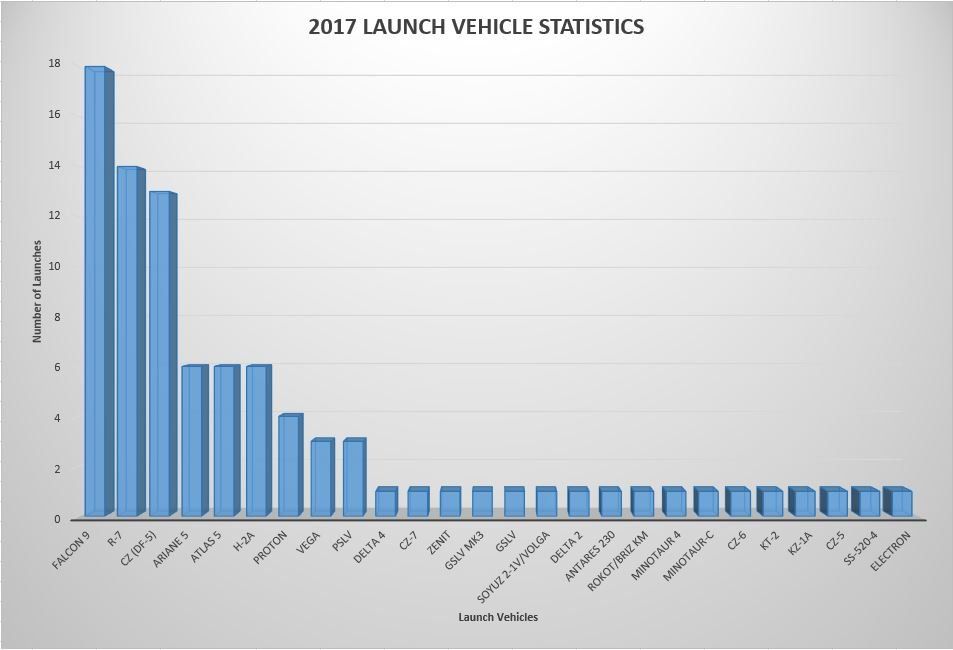
Launch frequency: By charging substantially lower fees than competitors ($90M for government, $60M for commercial customers versus $420M for competitors), SpaceX compensated through volume. In 2017, they performed more launches than any other provider.
As Musk noted: "Fundamentally, if you don't have a compelling product at a compelling price, you don't have a great company."
3: Hard Working Team
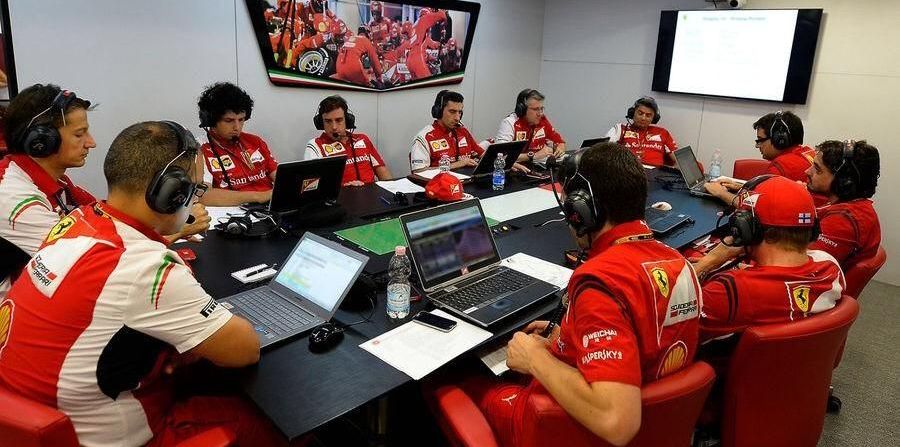
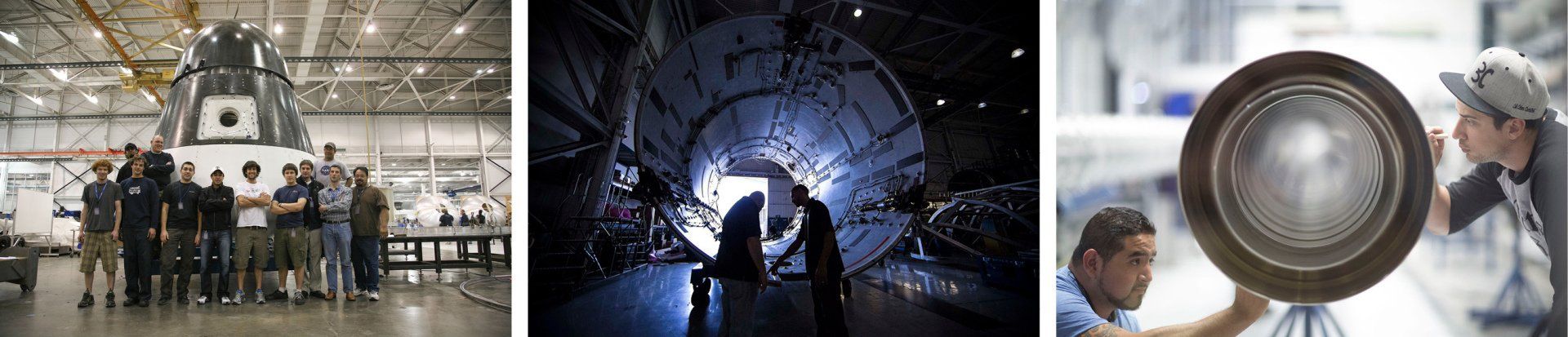
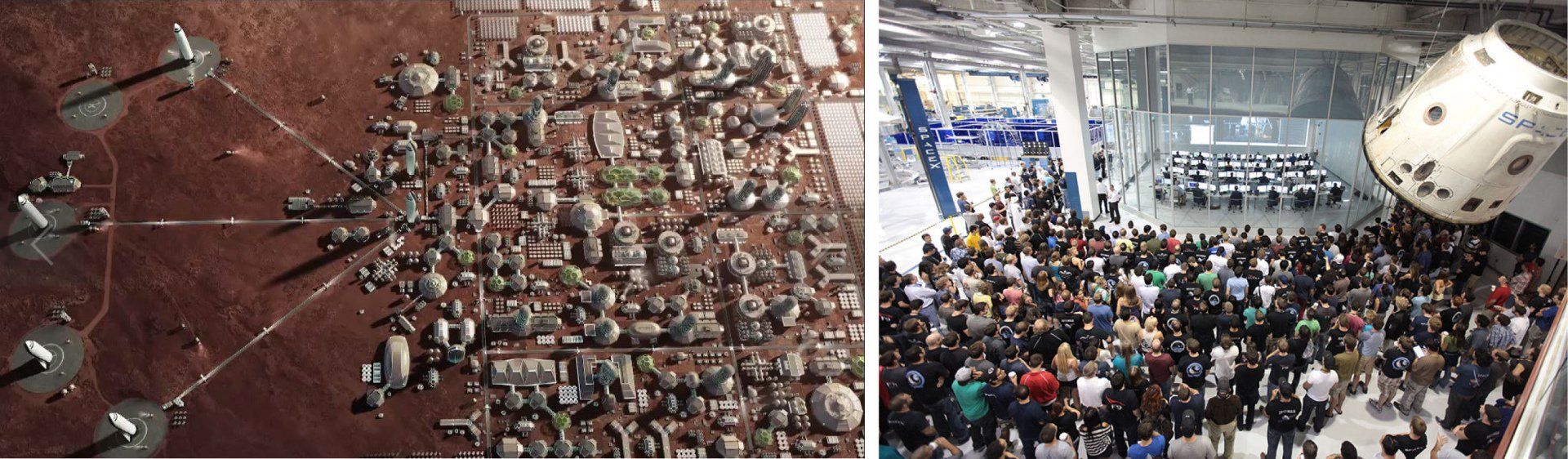
SpaceX employs 7,000+ highly intelligent workers operating under demanding conditions. Musk personally works 80-100 hours weekly, setting the cultural standard. The company ranked as simultaneously the most stressful and most meaningful workplace in surveys.
This intensity exists due to three factors:
- Liability: Rocket failures can destroy cargo and endanger lives, making perfection non-negotiable
- Competition: Competing against Boeing and other century-old aerospace firms requires continuous innovation through extensive R&D
- Financial pressure: Development costs are enormous; delays compound investment requirements and delay revenue return
4: Unifying Company Goal
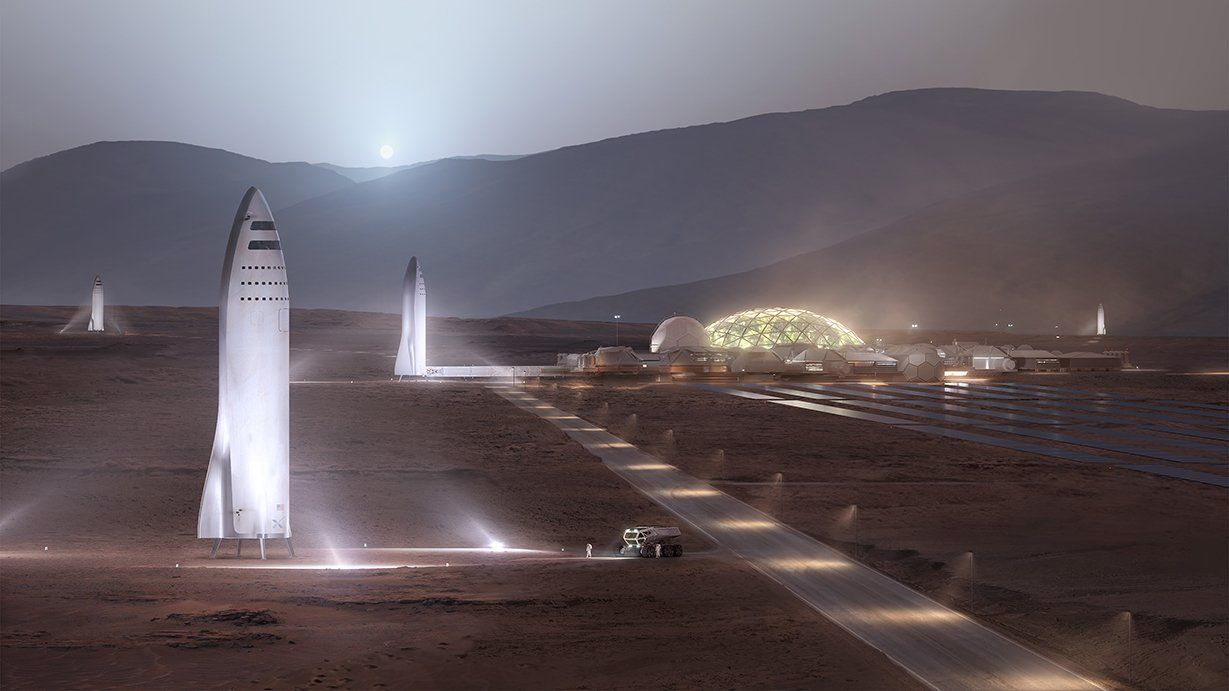
SpaceX maintains a clear, inspiring mission: reducing space transportation costs and enabling Mars colonization.
Musk believes humanity must colonize other planets to ensure survival. Two giant posters hang at SpaceX headquarters, one showing Mars as it exists today, the other depicting it terraformed with green landscapes and blue oceans. This audacious, long-term objective provides meaning beyond paychecks, unifying the workforce around a shared purpose.
5: Risk Big
SpaceX willingly accepted substantial risks:
- Financial: Early failure would have bankrupted the company
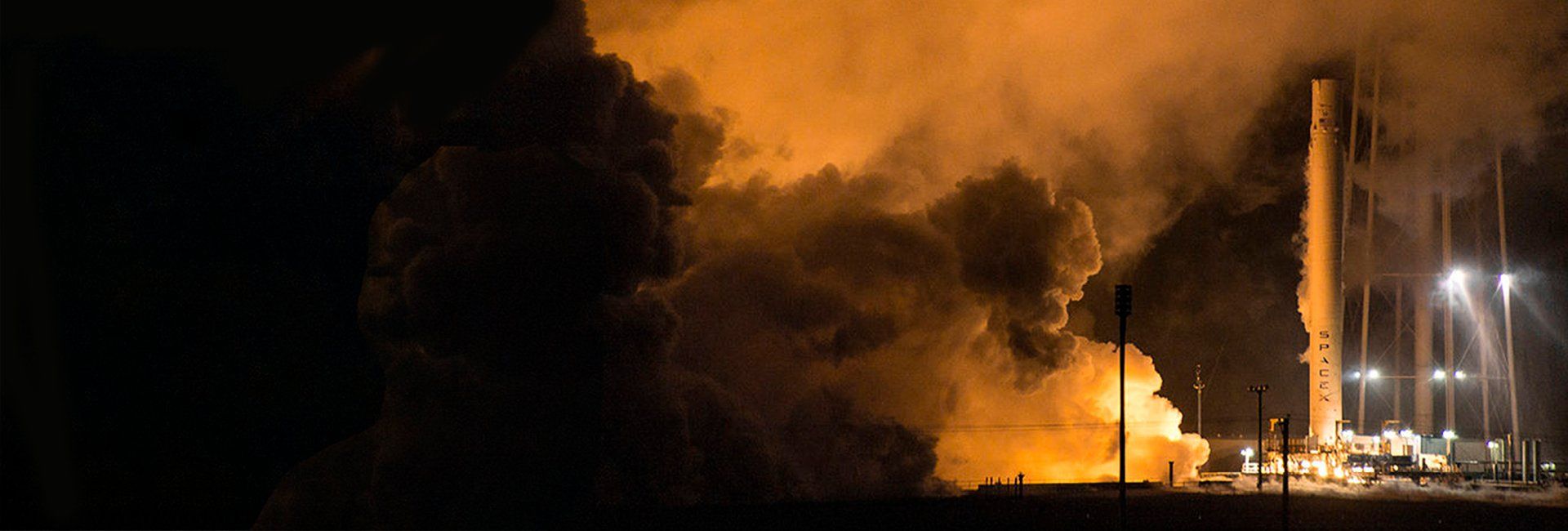
- Technical: Rocket reusability was unproven
- Political: NASA could have rejected new launch providers
- Social: Public could have rejected Mars colonization vision
Friends reportedly advised Musk against founding the company, predicting he'd lose his entire fortune. Yet he persisted despite these threats, maintaining unwavering confidence in the product and vision.
Conclusion
The five traits enabling SpaceX's success offer valuable lessons:
- How innovative is your business?
- How hard will you and your team work?
- How confident are you in your market timing?
- Do you have a unifying company goal?
- What is your risk appetite?
These insights apply broadly to startups seeking to disrupt established industries through determination, vision, and calculated boldness.