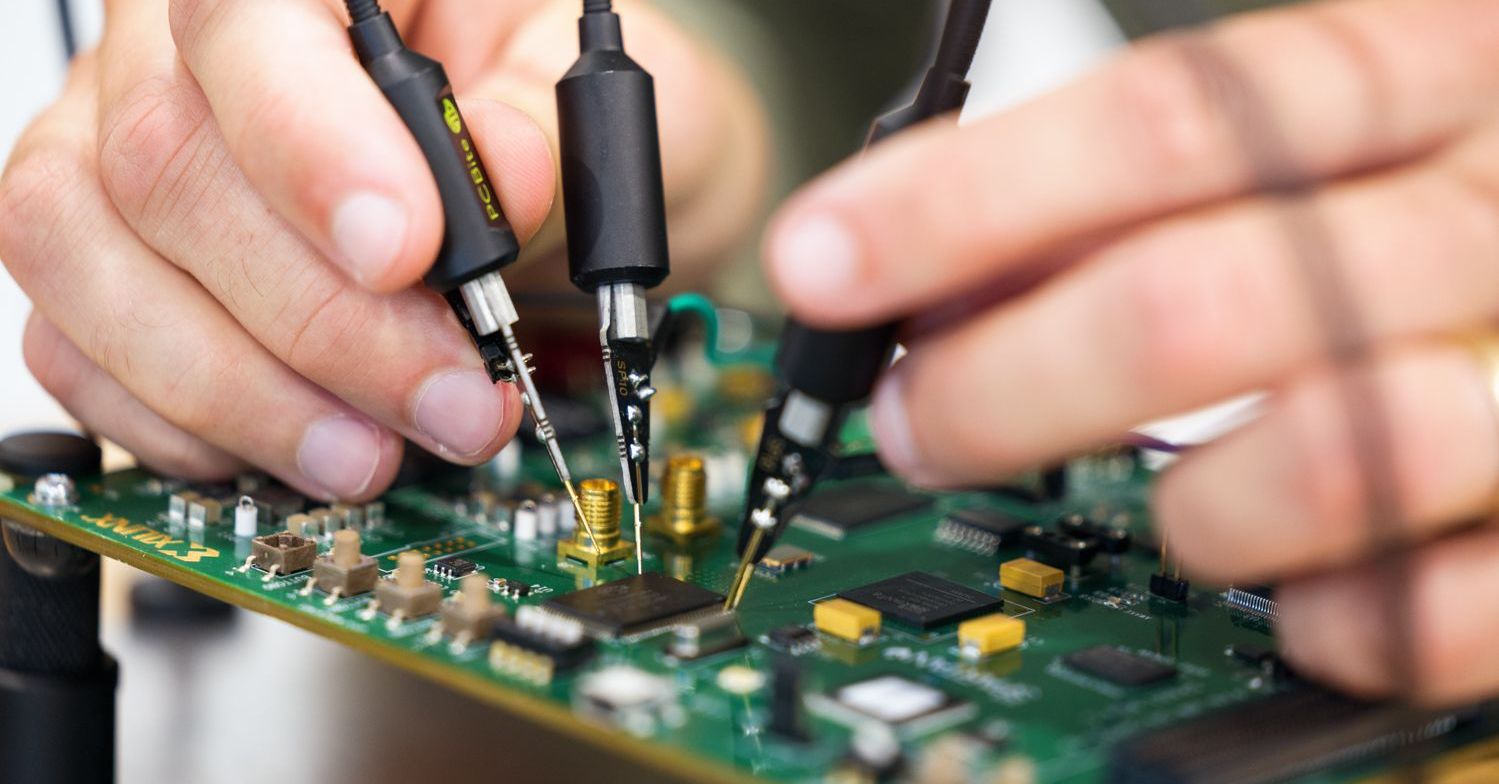
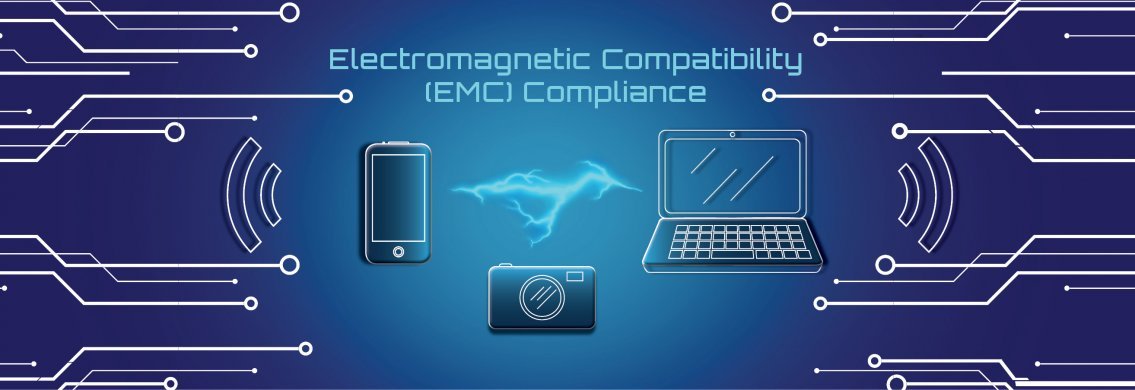
So you've got an idea for a brilliant new product that you want to develop and then put to market? And you've heard about this thing called 'EMC' but you don't know exactly what it is. In this post, we answer the most frequently asked questions about Electromagnetic Compatibility compliance and what it means for your product.
What is 'EMC'?
EMC or Electromagnetic Compatibility refers to how well electronic devices operate in proximity without interfering with each other. A device with poor EMC could cause problems with nearby devices or experience interference from them. Common examples include microwave ovens affecting wireless phone audio quality or WiFi performance being disrupted by "leaky" microwave ovens.
Almost all electronics emit electromagnetic energy during operation as a natural consequence of using electrical energy. Given sufficient magnitude, nearly all electronics can be susceptible to radiation from surrounding devices. Designers must consider EMC during development to ensure product compatibility with operational environments.
Unintended device interactions range from imperceptible to catastrophic. While interrupted phone calls represent minor annoyances, poor EMC in aircraft navigation systems could result in serious harm. Radio Spectrum Management (RSM) governs EMC products in New Zealand.
Why should you concern yourself with EMC?
EMC compliance is a legal requirement. All markets have regulations governing how electronic products interact with their environments. Standards documents define mandatory tests before devices can be sold in specific markets. Products failing these tests cannot be sold until modified for compliance.
Without proof of EMC compliance, even products with strong customer demand cannot enter the market. Addressing EMC during development reduces risk and product liability.
What is EMC testing?
Compliance requires documentation showing the device passed all specified tests for its product category. Independent, accredited test laboratories produce test reports serving as compliance proof.
Two main testing categories exist:
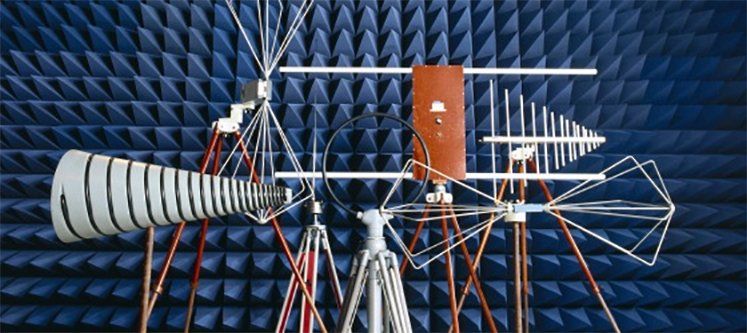
Emissions Testing
This measures energy the device radiates or conducts, comparing results against set limits:
- Radiated Radio-frequency (RF) Fields: Electromagnetic disturbances from electrical activity radiated through air
- Conducted RF Noise: Electromagnetic disturbances conducted along cables
- Magnetic or Electric Fields: Electrical activity producing fields causing near-field effects, potentially inducing unwanted voltages or currents in nearby devices
Immunity Testing
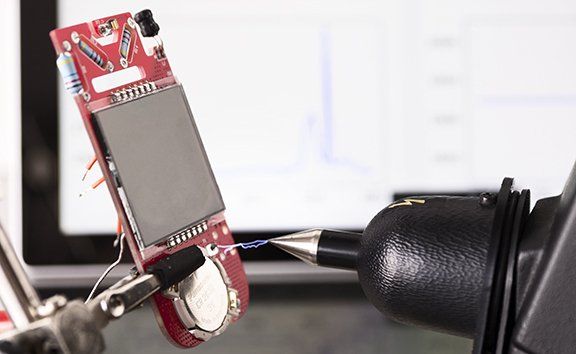
These tests place devices under worst-case scenarios to assess performance impact:
- Radiated RF Fields: Devices operate under external RF noise bombardment; device conductors act as "accidental receiving antennas"
- Conducted RF Noise: Noise injected into device cabling
- Transients: High voltage surges from lightning strikes and motor switching induce transient pulses onto supply cables, potentially causing permanent damage
- Electrostatic Discharges (ESD): Lightning or human contact causes electrostatic discharges; user-touchable surfaces undergo prescribed ESD events to verify functionality remains intact
What can be done to ensure that my product passes EMC testing?
EMC test failures prove expensive due to retesting costs plus R&D expenses for redesign and launch delays. Early EMC design investment reduces failure probability.
Predicting electronic component interactions for EMC compliance is tremendously complex, making 100% certainty impossible. Beta Solutions applies these principles to reduce failure probability:
- Use good EMC practices: Engineers leverage experience and training through sound EMC understanding, over-design application, known good designs, and industry-accepted rules of thumb
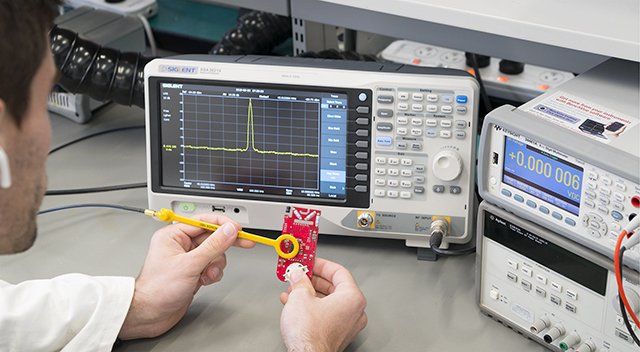
- Test early, test often: Early issue detection provides more solution options when design change costs remain lowest. Pre-compliance testing using specialized lab tools builds confidence before formal testing
- Use Computer Aided Design (CAD) Tools: Circuit simulation validates designs before prototyping, reducing modification time compared to physical prototype changes
Conclusions
EMC compliance is legally mandated for all electronic products sold in New Zealand. Embracing compliance requirements early minimizes liability and ensures product success.
Given EMC's complexity, often requiring familiarity with hundreds or thousands of standards pages, professional electronics design consulting is prudent. Beta Solutions integrates EMC compliance considerations into every decision, aiming for first-time test passage while creating products that neither cause interference nor succumb to environmental electromagnetic phenomena.