5G Technology Today

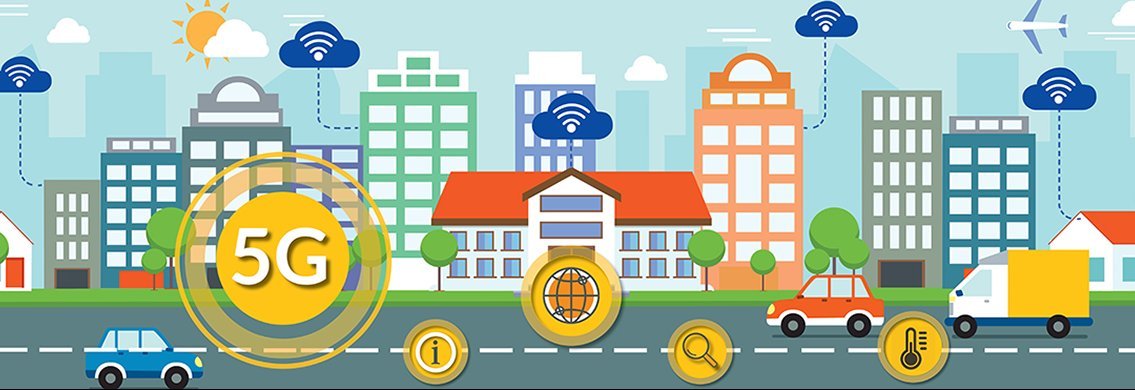
The 5G technology launched in New Zealand provides significant advantages over 4G, particularly in reduced latency. This lower delay enables snappier web experiences, more lifelike video calls, and unlocks disruptive technologies including real-time autonomous vehicle navigation and ultra-realistic VR applications.
According to Vodafone's technology director, "the main investment case for 5G is fixed-wireless" connectivity to homes and businesses.
New Zealand's initial 5G networks operate in the 3.5GHz band, with the entire spectrum scheduled for auction in 2022. While 5G can also operate in mm-wave bands (>10GHz) for ultrafast short-range connections in dense urban areas, Radio Spectrum Management is delaying mm-wave allocation until worldwide standards stabilize, likely 3+ years away.
For the immediate future, 5G will primarily add speed and capacity to existing 4G networks as the technology matures with planned evolutionary features.
Future 5G Technology for IoT
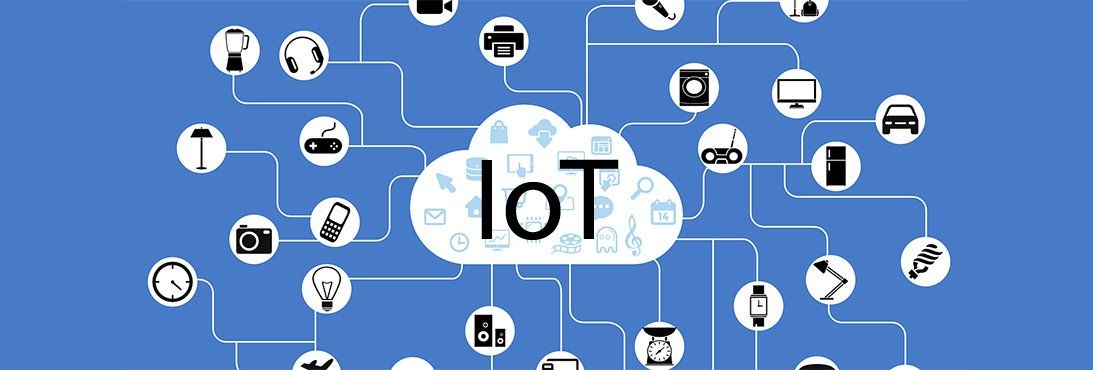
IoT devices have different requirements than smartphones. While 5G offers massive speeds, these demands significant battery power, unacceptable for IoT sensors designed to operate months or years on minimal power budgets.
Currently, 5G cannot support these low-power, long-life devices, but future developments are promising.
3GPP defines the standards for NZ 5G networks. Release 15 is the only frozen standard currently deployed. Releases 16 and 17, still subject to revision, offer glimpses into 5G's future:
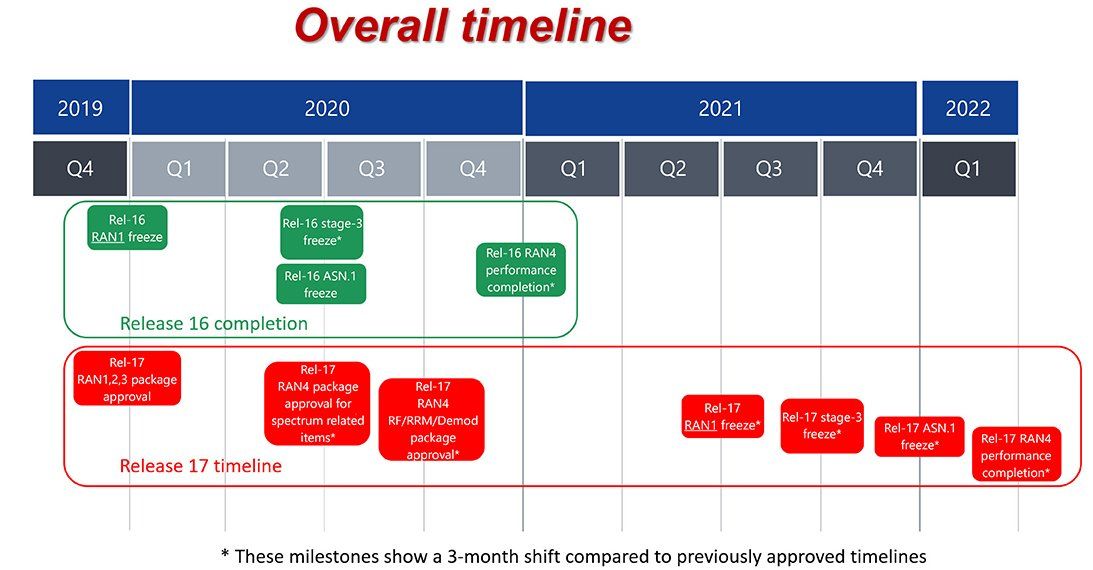
The most significant advancement is anticipated support for Massive Machine-Type Communications (mMTC) in Release 17, enabling:
- Industrial wireless sensors with 5-10ms latency and <2 Mbps data rates
- Medium to high-rate video transmission (2-25 Mbps)
- High-rate wearables (5-50 Mbps) with 1-2 week battery life
mMTC isn't designed to replace existing LTE-CatM1, LoRaWAN, and NB-IoT networks for ultra-low-power devices. Instead, it fills the gap for devices requiring lower complexity and reduced energy consumption compared to Releases 15/16, while needing superior data rates and latency compared to legacy protocols.
Conclusion

Current 5G technology offers limited IoT applications, but future iterations promise significant possibilities. Release 17 won't freeze until early 2022 at earliest, delaying New Zealand implementation. Beta Solutions remains positioned to support clients' future innovations with 5G-enabled products.